Discover Autumn Season in Gilgit Baltistan
Autumn in Gilgit Baltistan: A Season of Transformation
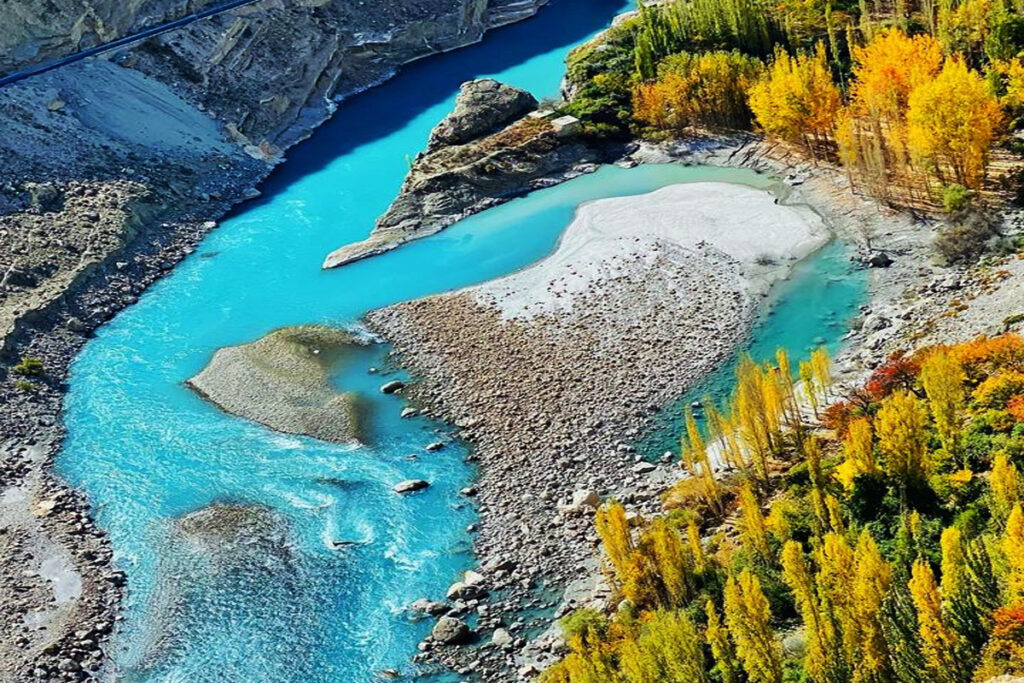
Autumn in Gilgit Baltistan is the most exhilarating season, transforming the region into a vibrant paradise. As September transitions from summer, orchards are adorned in colorful attire, reminiscent of a bride on her wedding day. This stunning transformation within nature brings joy and pleasure to the human spirit. Discover Autumn Season in Gilgit Baltistan.
Panoramic October Landscapes
In our Discover Autumn Season in Gilgit Baltistan program By October, the landscape reveals panoramic views of towering mountain peaks, ranging from 7,000 to 7,800 meters. Below these majestic peaks, you’ll find colorful rocks with sharp ridges, flowing streams, maize and millet fields, sunflowers, waterfalls, and lakes. This time of year also offers the opportunity for duck shooting. Embrace the natural beauty, especially in Hunza, Skardu, and Ghizer, which are known for their colorful flowers, gushing streams, and roaring waterfalls.
Vibrant Autumn Foliage in Northern Areas of Pakistan
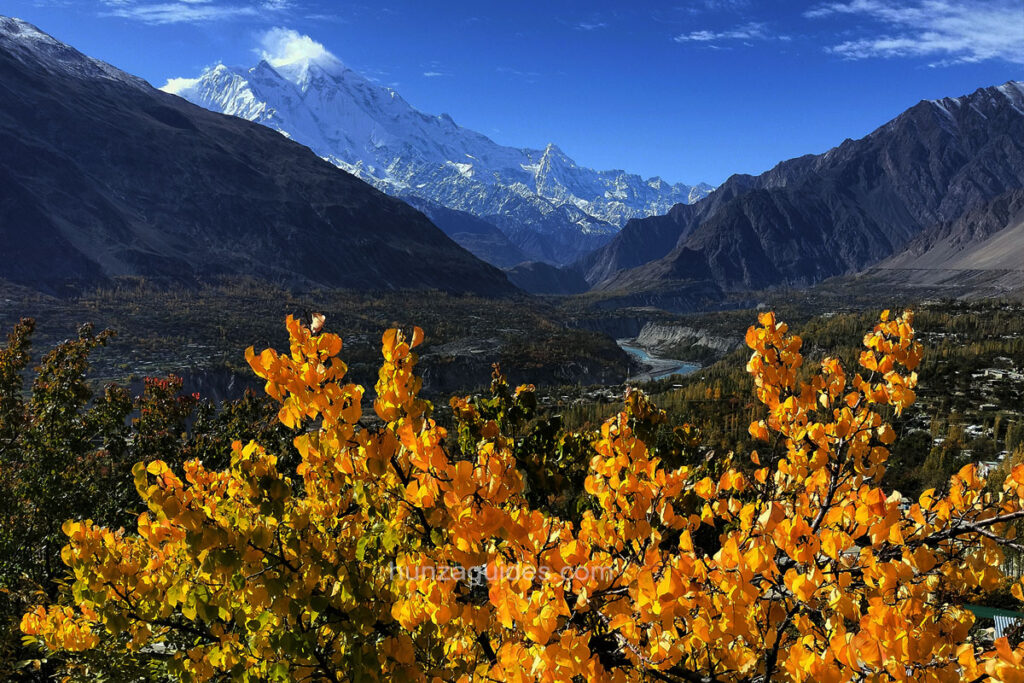
In our Discover Autumn Season in Gilgit Baltistan The Northern Areas of Pakistan showcase vibrant hues during autumn. Poplar, apricot, mulberry, peach, apple, and plum trees paint the landscape with shades of orange, rust, and red. The crisp, invigorating weather provides a perfect backdrop for enjoying the breathtaking views of the surrounding mountains.
Must-Visit Locations in Gilgit Baltistan in Autumn
- Shangri-La Resort (Lower Kachura Lake): Known as “Heaven on Earth,” this resort features a beautiful lake surrounded by lush greenery and stunning landscapes.
- Upper Kachura Lake: A pristine lake offering opportunities for boating and enjoying the serene natural beauty.
- Sarfaranga Desert (Cold Desert): A unique cold desert with vast sand dunes, providing a striking contrast to the surrounding mountains.
- Shigar Fort: A restored fort and palace serving as a museum and hotel, showcasing the region’s history and culture.
- Skardu Fort (Kharpocho Fort): Offering panoramic views of Skardu town and surrounding valleys, this historic landmark dates back to the 8th century.
- Deosai National Park: Known for its stunning plains and being one of the highest plateaus in the world at 4,114 meters, offering diverse wildlife and colorful flora.
- Sheosar Lake: A beautiful lake within Deosai National Park, providing stunning reflections of the surrounding mountains.
- Sadpara Lake: Near Skardu, this mesmerizing lake offers breathtaking views of crystal-clear waters and towering mountains, with boating and fishing opportunities.
- Khaplu Valley: Known for its lush green valleys, fruit orchards, and historic forts, Khaplu Valley offers a glimpse into the region’s rich culture and heritage.
- Manthokha Waterfall: Located near Skardu, this stunning waterfall is surrounded by rocky cliffs and lush vegetation, perfect for picnics and photography.
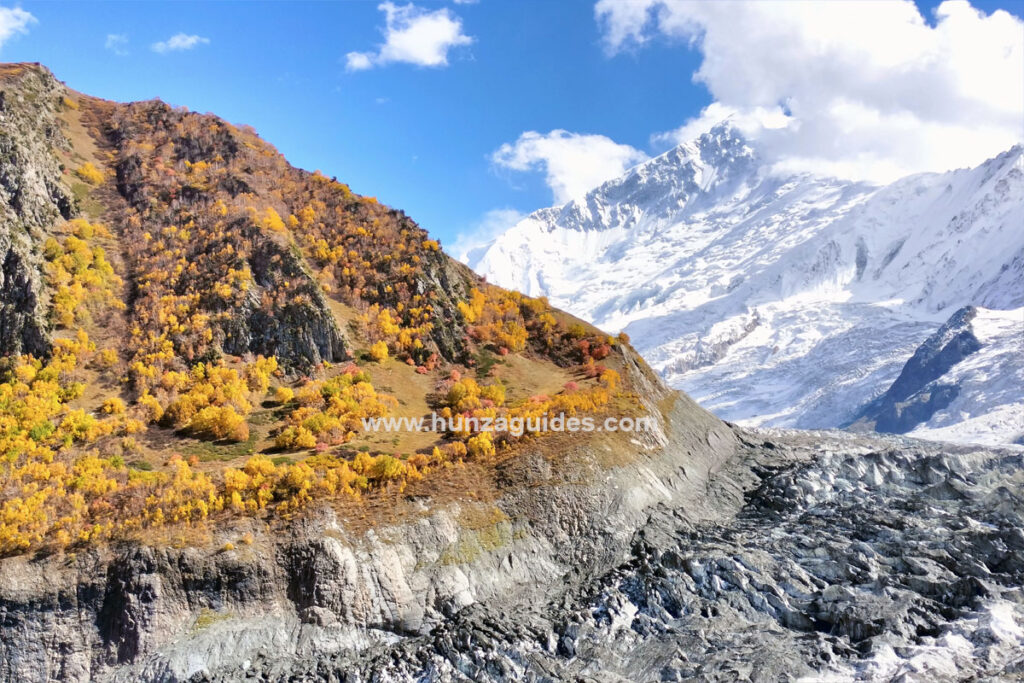
More Incredible Places to Visit in Autumn
- Baltit Fort: A historic fort in Karimabad showcasing traditional architecture and offering panoramic views of the Hunza Valley.
- Altit Fort: Another ancient fort in Altit, known for its historical significance and beautiful restoration.
- Duiker Valley: A viewpoint providing breathtaking views of surrounding peaks, including Rakaposhi, Ultar Sar, and Ladyfinger Peak.
- Attabad Lake: A stunning turquoise lake formed after a landslide in 2010, ideal for boating and sightseeing.
- Passu Cones: Iconic pointed peaks near Passu village, offering spectacular views and photo opportunities.
- Borith Lake: A serene lake near Passu, ideal for bird watching and relaxing amidst nature.
- Hussaini Suspension Bridge: Known as one of the most dangerous bridges in the world, offering an adventurous crossing over the Hunza River.
- Khunjerab Pass: The highest paved international border crossing, located on the Karakoram Highway between Pakistan and China.
- Ganish Village: The oldest settlement in Hunza, with ancient watchtowers, traditional houses, and rich history.
- Hopper Valley: Known for lush green landscapes, terraced fields, and panoramic views of surrounding peaks.
- Hopper Glacier: Located in Hopper Valley, perfect for trekking and experiencing majestic ice formations.
- Gilgit: A vibrant market offering local handicrafts, traditional clothing, gemstones, and various local foods.
- Kargah Buddha: An ancient rock carving dating back to the 7th century, located near Kargah.
- Phander Lake: Known as the “Switzerland of Pakistan,” this turquoise lake is surrounded by lush fields, offering a tranquil retreat.
- Gupis Valley: Featuring clear blue rivers, green fields, and historic landmarks like Gupis Fort.
- Shigar Valley: Renowned for its stunning natural beauty and rich cultural heritage, often called the “gateway to the Karakoram.”
- Khaplu Village: A picturesque settlement known for its traditional stone and wood houses, narrow alleyways, and terraced fields, offering an authentic mountain lifestyle experience.
- Hunza Valley: Famous for breathtaking natural beauty, vibrant culture, and hospitable people. Dotted with picturesque villages, terraced fields, and crystal-clear rivers.
- Ghizer Valley: Known for its stunning landscapes, serene lakes, and vibrant culture, serving as a gateway to important trekking routes.
Best Time to Visit Gilgit Baltistan
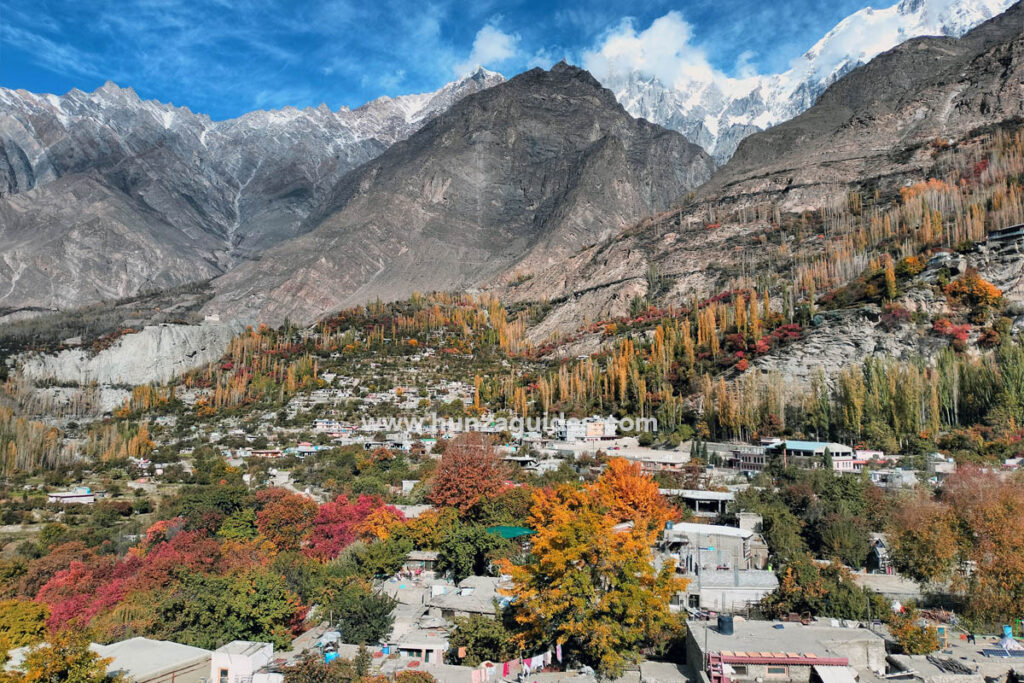
Autumn in Gilgit Baltistan (September to November):
Autumn is considered the best time to visit Gilgit Baltistan. During this season, the region transforms into a vibrant canvas of colors. From September to November, the weather is crisp and clear, offering stunning views of the autumn foliage. This period is perfect for photography, trekking, and enjoying the natural beauty of the region.
- Temperature: Ranges from 10°C to 20°C (50°F to 68°F) during the day, making it pleasant for outdoor activities.
- Activities: Hiking, trekking, sightseeing, and cultural experiences are at their peak during this time.
Summer (June to August):
Summer is another excellent time to visit, especially for those interested in trekking and exploring the high-altitude regions. The weather is warm, and the landscapes are lush and green.
- Temperature: Daytime temperatures range from 15°C to 30°C (59°F to 86°F).
- Activities: Trekking, mountaineering, and visiting lakes and valleys are popular during the summer months.
Spring (April to May):
Spring brings blooming flowers and fresh greenery. It’s a great time to visit if you enjoy mild weather and fewer tourists.
- Temperature: Ranges from 10°C to 25°C (50°F to 77°F).
- Activities: Sightseeing, exploring valleys, and enjoying the blooming season.
Winter (December to March):
Winter in Gilgit Baltistan is harsh, with heavy snowfall and cold temperatures. However, for those who love snow and winter sports, it can be a unique and adventurous time to visit.
- Temperature: Often drops below freezing, especially at night.
- Activities: Winter sports, including skiing in certain areas.
Conclusion
For the best experience, autumn (September to November) is the ideal time to visit Gilgit Baltistan. The weather is perfect, and the region’s natural beauty is at its peak. If you’re interested in trekking and outdoor adventures, summer is also a great time. Spring offers a quieter, more serene experience with blooming flowers, while winter is suited for those seeking adventure in the snow.
By planning your visit during these optimal times, you can fully appreciate the breathtaking landscapes and vibrant culture of Gilgit Baltistan.
Plan your visit to Gilgit Baltistan this autumn to experience these breathtaking sites and vibrant cultural heritage.
Click the below button to book your slot for Autumn Tour Gilgit Baltistan


